
How to Turn Any Jar Into a Clean-Burning Candle in 30 Minutes
You probably have a jar problem.
Not a bad one. The good kind, where you keep saving jars because they are too pretty to throw away and you have a vague sense that you will do something with them eventually. The pasta sauce jar with the interesting label. The wide-mouth mason jar from last summer. The candle vessel you burned down to the end and could not bring yourself to recycle.
This is the something you were waiting for.
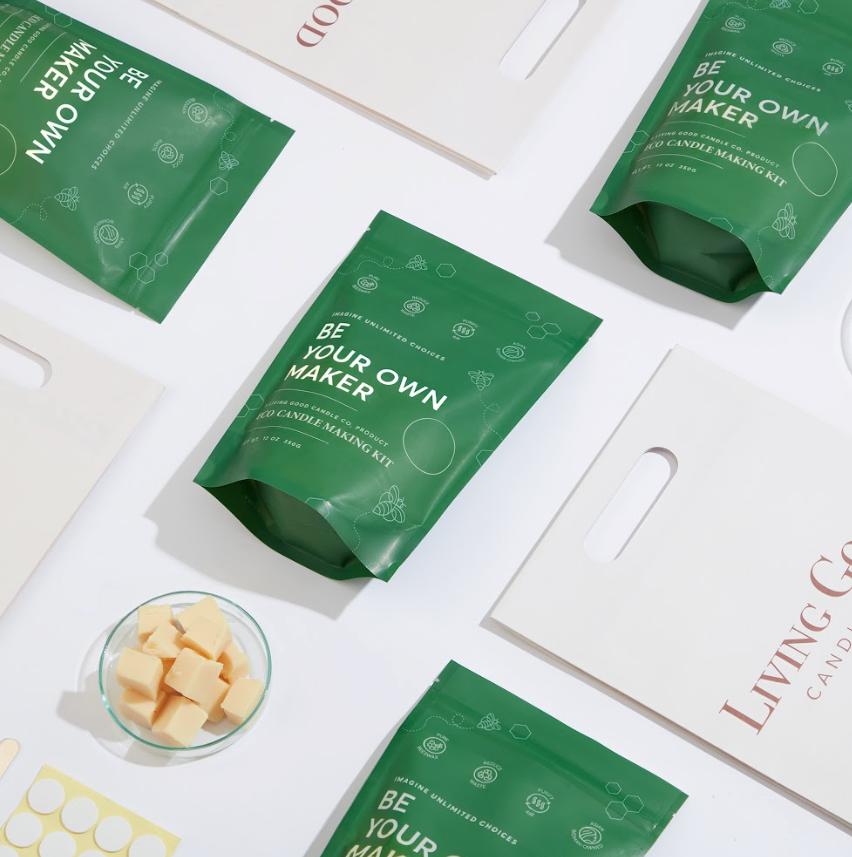
The Eco Candle Making Kit is designed to work in any heat-safe jar, and the whole process takes about 30 minutes of active time. Here is exactly how it works.
What you need before you start
The Eco Kit comes with everything specific to the candle itself: pure American beeswax, non-GMO coconut oil, plant-based fragrance oils, and pre-tabbed cotton wicks. What you bring is the jar.
A few things worth checking before you choose your vessel:
Heat-safe material. Glass, ceramic, and thick-walled vessels all work well. Thin glass, plastic, or anything with a metallic interior glaze is not suitable. When in doubt, a mason jar or a repurposed candle vessel is always a safe starting point.
No cracks or chips. Run your finger around the rim and interior. Any structural weakness in the glass becomes a problem when hot wax is involved.
A stable base. The jar needs to sit flat and not tip. Wide-bottomed vessels are easiest to work with, especially for a first pour.
A diameter that fits your wick. The Eco Kit includes sizing guidance. For most standard jars under four inches in diameter, a single centered wick works well. Wider vessels may need two.
Once your jar is chosen, wipe it clean and dry, and set it on a flat, heat-safe surface. That is your workspace.
Step one: melt the wax
The Eco Kit uses a double boiler method, which is exactly what it sounds like: a heat-safe container sitting in a pot of simmering water. This keeps the wax from making direct contact with a heat source, which gives you more control over the temperature and prevents scorching.
Fill a medium pot with a few inches of water and bring it to a gentle simmer. Place your wax in a heat-safe pouring vessel, a glass measuring cup with a handle works beautifully, and set it in the water.
Stir occasionally as the wax melts. Beeswax melts at a higher temperature than most other candle waxes, around 145 to 147 degrees Fahrenheit, so it takes a bit longer than you might expect. This is normal. The wait is worth it.
Keep an eye on the temperature. The ideal pouring temperature for beeswax is between 155 and 165 degrees Fahrenheit. A simple candy thermometer makes this easy to track.
Step two: prepare your jar and wick
While the wax is melting, set up your jar.
Place the wick in the center of the jar. The pre-tabbed base will hold it in place on the bottom. To keep the wick centered and upright while the wax sets, rest a pencil, chopstick, or wooden skewer across the top of the jar opening and wrap the top of the wick around it once. This is the part that looks a little DIY and makes a big difference in how evenly your candle burns.
If your jar is cold, warm it slightly before pouring. A few seconds near the stove or a quick rinse with warm water, dried thoroughly, reduces the chance of cracking when hot wax meets cold glass. It also helps the wax adhere to the sides more evenly.
Step three: add your fragrance
Once your wax reaches the right temperature range, remove it from the heat and let it cool slightly, down to around 150 degrees Fahrenheit, before adding your fragrance oils.
Adding fragrance at a lower temperature helps preserve the integrity of the plant-based oils and gives you a better scent throw once the candle is cured. Stir slowly and thoroughly for about two minutes. You want the fragrance fully incorporated throughout the wax, not sitting on top.
The Eco Kit includes plant-based fragrance oils, meaning essential oils, absolutes, and natural isolates all derived from plants. Every botanical is listed by name. Follow the included guidance for fragrance load, which is the ratio of fragrance to wax, to get the right balance for your jar size.
Step four: pour
This is the satisfying part.
Pour the wax slowly and steadily into your prepared jar, leaving about half an inch of space at the top. The honey-toned color of melted beeswax is genuinely beautiful and worth pausing to appreciate before it sets.
Re-center your wick if it shifted during the pour. Set the jar somewhere undisturbed and let it cool completely at room temperature. Do not move it, do not put it in the refrigerator to speed things up. Beeswax benefits from a slow, even cure.
Cooling takes two to three hours depending on the size of your jar. Larger vessels take longer. If a small sinkhole forms in the center as it cools, which is common with beeswax, do a small top-up pour with a bit of reserved wax at around the same temperature.
Step five: cure and trim
Once the candle is fully set, trim the wick to about a quarter inch before lighting. A properly trimmed wick is one of the most overlooked factors in candle performance. Too long and the flame burns too hot, producing more soot and consuming the wax unevenly. A quarter inch is the standard across all candle types and it applies here too.
Beeswax candles benefit from a cure time of 24 to 48 hours before the first burn. This is not strictly required but it allows the fragrance to fully bind with the wax, which means better scent throw once you light it.
Then you are done. You made a candle. In a jar you already owned. With ingredients you understand.
Why the ingredients matter in a DIY candle
The entire point of making your own candle is knowing what is in it. Which makes the wax and fragrance choice the most important decisions in the process.
The Eco Kit is built on the same ingredients as every Living Good Candle Co. candle: pure American beeswax sourced from multigenerational US beekeepers, non-GMO coconut oil, and plant-based fragrance oils with every botanical listed by name.
Beeswax burns cleanly and produces virtually no soot. You will not see the black soot ring inside the jar that forms with many conventional candles, and you will not see residue building up on the surface above where the candle sits. It burns long, it burns consistently, and it does not require any additives or stabilizers to perform well.
When you make a candle with the Eco Kit, you know exactly what is going into the air in your home when you burn it. That is the version of DIY candle-making worth doing.
What to make it with
Some jars that work particularly well with the Eco Kit:
Wide-mouth mason jars are the most forgiving vessel for a first pour. Even melt pool, easy wick placement, no surprises.
Repurposed candle vessels are ideal for this. You already burned a candle down, cleaned out the jar, and now you have a vessel that was literally designed for this purpose. The size and shape are already tested.
Ceramic mugs hold heat well and produce an especially warm, even burn. Check that the interior is not metallic-glazed.
Vintage teacups make beautiful small candles, ideal for gifting. Use a small wick sized to the interior diameter of the cup.
Coconut shells for the ones who want their home to feel like somewhere else entirely. Sand the rim smooth before pouring and use a low-profile wick.
Thirty minutes. One jar. A candle worth keeping.
This is the kind of project that sounds like a lot until you do it and realize how straightforward it actually is. The result is a candle made from ingredients you chose, in a vessel you loved enough to save, that burns cleaner and longer than most of what you can buy off a shelf.
And once you know how to do it, you will never look at a good jar the same way again.