
Why Beeswax Is the Best Low-Toxic Alternative for a Healthier Home
Why Beeswax Is the Best Low-Toxic Alternative for a Healthier Home
Navigate this guide easily:
- why beeswax is the best low toxic alternative
- why beeswax is low toxic
- what makes beeswax non toxic
- beeswax vs paraffin wax
- beeswax vs soy wax
- beeswax benefits for health
- beeswax candles air quality
- clean burning candles explained
- why beeswax is the safest wax
If you are searching why beeswax is the best low toxic alternative, you are not scrolling for trends. You are trying to remove unnecessary chemicals from your daily life. You want safer air inside your home. You want fewer irritants around your family. You want materials that do not quietly harm your health over time.
Many products claim to be clean. Very few actually reduce toxic exposure.
Beeswax stands apart because it does not rely on chemical processing, petroleum inputs, or synthetic stabilizers. It exists in a usable form straight from nature. That is why beeswax is low toxic, why it has been trusted for centuries, and why it continues to outperform modern wax alternatives marketed as “clean.”
Why Beeswax Is the Best Low Toxic Alternative
To understand why beeswax is the best low toxic alternative, you must look at how most household products affect indoor air. Candles, wax melts, and home fragrances release particles directly into the space you breathe. This exposure matters more than occasional contact with food packaging or cleaning products.
Beeswax minimizes this risk because it burns clean and stays chemically stable under heat. It does not require fragrance to mask unpleasant odors. It does not depend on chemical enhancers to maintain structure. It performs well because it was never altered.
Low toxic living starts with materials that work as-is.
Why Beeswax Is Considered Low Toxic
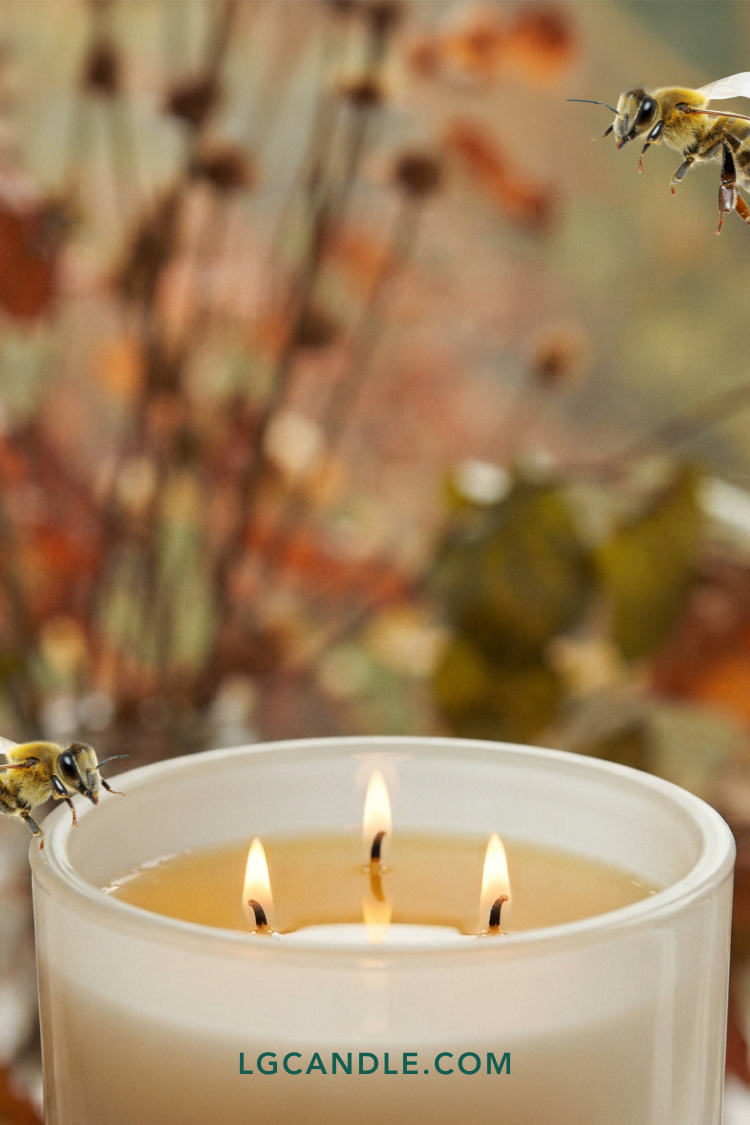
The reason why beeswax is low toxic begins with its origin. Honeybees naturally produce beeswax from glands on their bodies. They use it to build honeycomb for storing honey and raising young. Humans collect beeswax after honey harvesting and filter it to remove debris.
No chemical conversion occurs. No solvents are introduced.
This matters because low toxic materials share a key characteristic. They do not need industrial modification to function. Pure beeswax retains its natural structure, which allows it to burn evenly and slowly. That stability prevents the release of harmful byproducts into the air.
When people ask is beeswax non toxic, the answer depends on purity. 100% beeswax contains no petroleum, no hydrogenated oils, and no synthetic binders. That is why it qualifies as a low toxic wax suitable for everyday use.
What Makes Beeswax Non Toxic Compared to Other Waxes
Most waxes on the market require processing to exist in solid form. Paraffin wax comes from petroleum refining. Soy wax starts as soybean oil that must be hydrogenated to become wax. Both processes alter chemical structures.
Beeswax does not need modification. Bees already produce it as a solid building material. This natural stability is why beeswax is non toxic when burned. It does not break down into volatile compounds or require chemical stabilizers to hold scent.
If you care about non toxic candles, this difference matters more than branding.
Beeswax vs Paraffin Wax: A Major Health Divide
When comparing beeswax vs paraffin wax, the safety gap is clear. Paraffin is a petroleum byproduct. When burned, paraffin candles can release soot and compounds linked to indoor air pollution.
Many people searching is paraffin wax toxic do so after noticing black residue on walls or experiencing headaches and irritation. Paraffin exists because it is inexpensive and abundant, not because it is safe.
Beeswax candles burn slower and cleaner. They produce minimal smoke and no petroleum residue. This makes beeswax the safest wax for enclosed indoor spaces.
Beeswax vs Soy Wax: Why “Plant-Based” Is Not Enough
Soy wax often appears as the “natural” alternative to paraffin. This creates confusion. Soy wax is not inherently non toxic.
Soy wax begins as soybean oil. That oil must undergo hydrogenation to become solid. Hydrogenation is a chemical process that changes molecular structure. In addition, most soy crops in the United States are genetically modified and treated with pesticides.
When you compare beeswax vs soy wax, beeswax wins because it exists naturally in usable form. Soy wax requires processing, additives, and stabilizers to burn evenly and hold fragrance.
This is why beeswax is better than soy wax for low toxic homes.
Beeswax Benefits for Health That Go Beyond Candles
The beeswax benefits for health extend beyond clean burning. When burned, beeswax candles emit negative ions. These ions may help neutralize airborne particles such as dust, pollen, and smoke.
People searching beeswax benefits for health often suffer from allergies, asthma, or chemical sensitivity. Beeswax does not rely on artificial fragrance to smell pleasant. It carries a subtle honey aroma that does not overwhelm the senses.
This makes beeswax suitable for bedrooms, nurseries, and shared living spaces.
Beeswax Candles and Indoor Air Quality
Indoor air often contains more pollutants than outdoor air. Candles contribute directly to this environment. Choosing the right wax matters.
People searching beeswax candles air quality want reassurance that what they burn will not compromise breathing. Beeswax supports air quality by producing less soot and fewer emissions than processed waxes.
Because beeswax burns slowly, it releases fewer particles per hour. This makes it a strong option for people focused on respiratory health.
Clean Burning Candles Explained Simply
Not all candles burn clean. Clean burning candles produce minimal smoke, stable flames, and low residue. Beeswax candles meet these standards naturally.
Beeswax has a higher melting point than soy or paraffin. This allows it to burn evenly without excessive dripping or tunneling. A steady flame produces less smoke and fewer airborne particles.
If you are searching clean burning candles, beeswax sets the benchmark.
Why Beeswax Is the Safest Wax for Homes
Safety depends on what you inhale over time. Beeswax is the safest wax because it does not release known irritants when burned properly. It does not depend on synthetic fragrance oils to mask chemical odors.
Families choosing low toxic home products often switch to beeswax as a first step. Removing one major source of indoor exposure can make a noticeable difference.
Why Low Toxic Living Starts With Materials
Many people focus on food labels and skincare ingredients when reducing toxins. They overlook the air. Candles, diffusers, and wax melts affect breathing directly.
Choosing beeswax eliminates one unnecessary exposure point. That is why beeswax is the best low toxic alternative for people serious about clean living.
The Truth About Marketing and “Clean” Claims
Words like “natural,” “eco,” and “green” appear everywhere. These words do not guarantee safety. Many products rely on perception rather than material integrity.
Beeswax does not need marketing tricks. Its safety comes from how it is made, how it burns, and how little it interferes with indoor air.
If a product needs long explanations to justify its safety, it is already compromised.
The Bottom Line on Beeswax as a Low Toxic Alternative
Beeswax remains unmatched as a low toxic alternative because it works without chemical intervention. It burns clean. It protects indoor air. It supports bees and ecosystems. It does not rely on misleading labels.
If your goal is non toxic living, clean burning candles, and a healthier home, beeswax is not just an option. It is the safest choice available.
When people ask why beeswax is the best low toxic alternative, the answer is simple.
Nature already solved the problem.